









NNHS Curation
Discover Northamptonshire’s Hidden Natural History
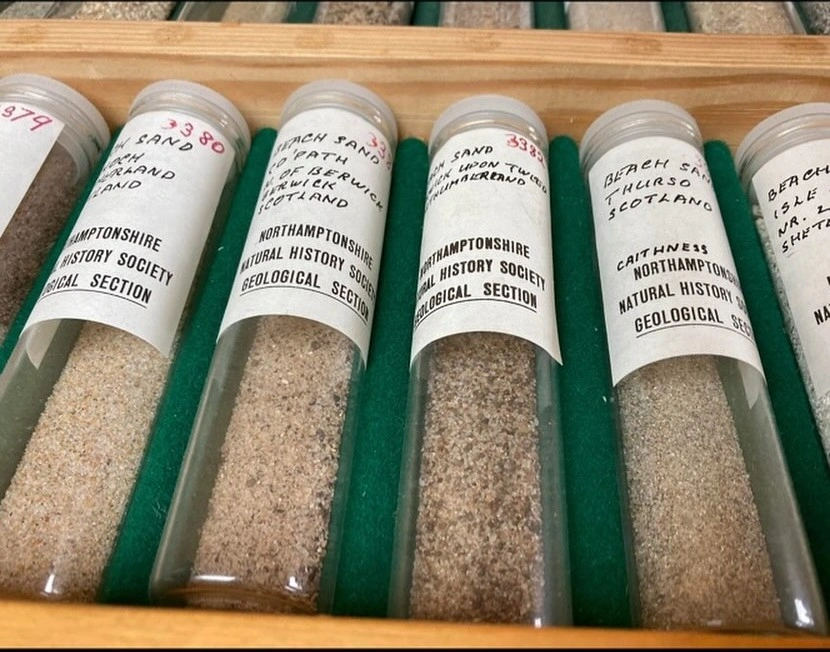
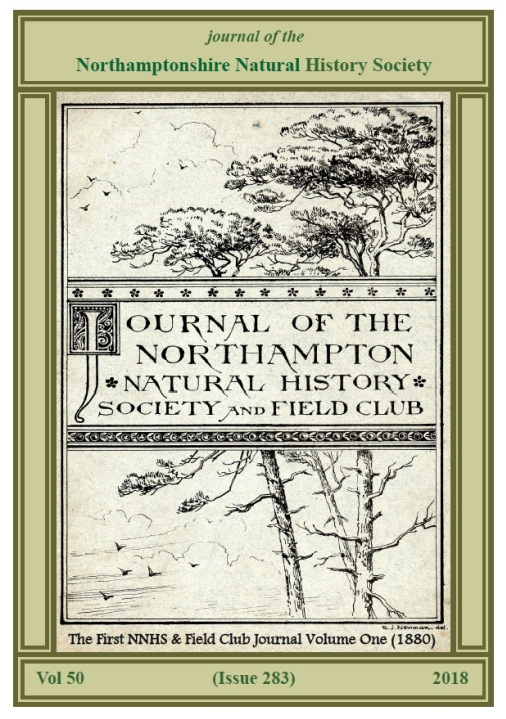
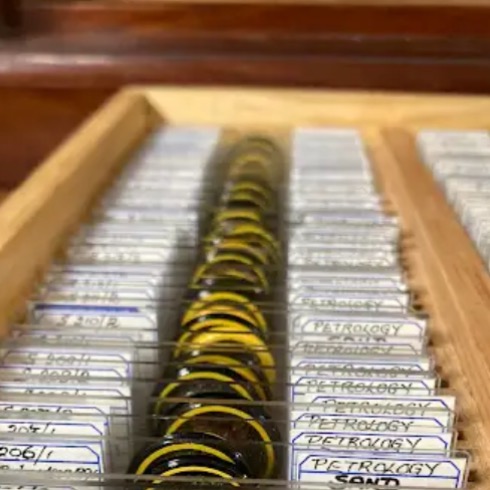
For more than 150 years, generations of members of the Northamptonshire Natural History Society (NNHS) have explored the natural world, collected specimens, recorded observations and shared their discoveries. Their curiosity, knowledge and dedication have created a remarkable collection of natural history specimens, scientific records and archives, cared for today at the historic Humfrey Rooms in the heart of Northampton.
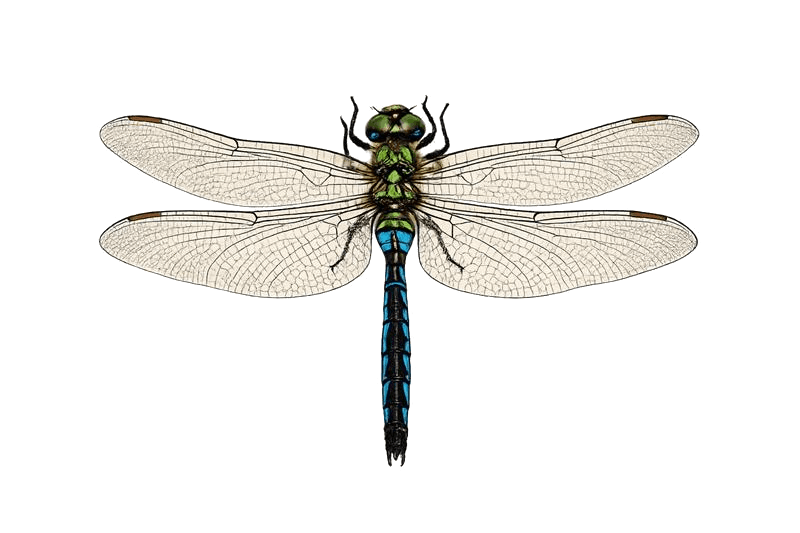
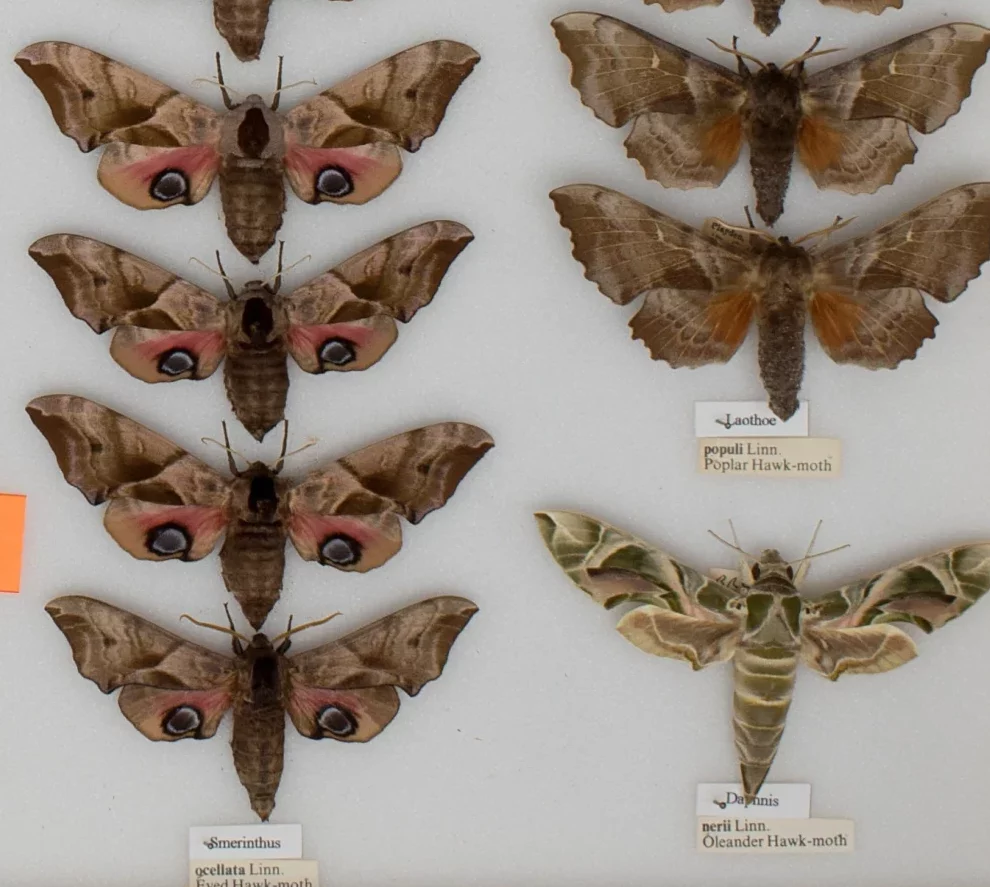
From fossils discovered in Northamptonshire to butterflies, minerals and botanical specimens collected around the world, our collections tell a fascinating story of nature, science and exploration.
But these collections are about more than the specimens themselves. They also preserve the stories of the people who found them, studied them and recognised their importance. Each generation of NNHS members has added something to this extraordinary legacy, building a record of our natural heritage that continues to grow.
Today, through the work of our Curation Section and the knowledge shared across the Society, we are preserving that legacy, making new discoveries and ensuring that these collections can continue to inspire curiosity for generations to come.
To find out more, email curation@nnhs.info